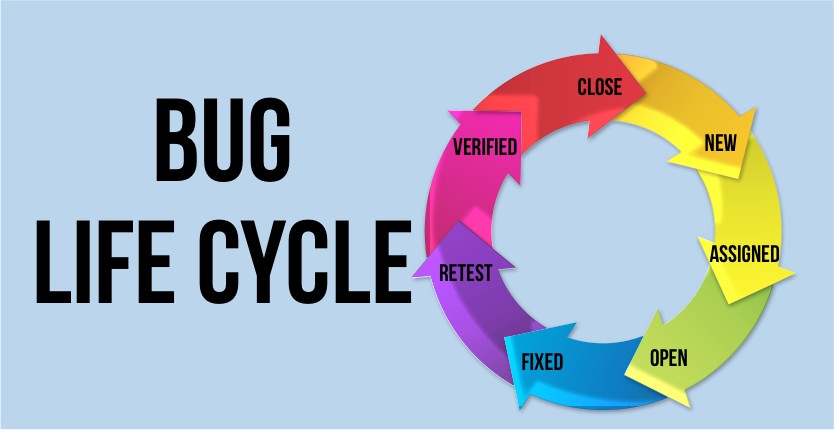
How a Glitch Becomes a Game Update
Ever wonder what actually happens after you report a bug in your favorite game?
Maybe you glitched through a wall. Maybe your character got stuck in a T-pose mid-battle. Maybe your inventory mysteriously vanished after a save. You hit that “report bug” button or posted on a forum or Discord—and then… waited.
At Patchory, where we track how games evolve through updates, we’re pulling back the curtain to show you what really happens between the bug and the fix. Because behind every patch note that says “Fixed an issue where X” is a story of discovery, investigation, development, and deployment.
Let’s walk through the lifecycle of a patch, from the moment a bug is found to the day it goes live.
1. The Bug Is Born
Bugs can come from anywhere:
- A player stumbles on a weird glitch.
- A QA (quality assurance) tester finds something during routine testing.
- A streamer exposes an exploit live to thousands of viewers.
- Internal tools catch an error in logs or telemetry.
Once noticed, the bug gets logged—often into a bug-tracking system like Jira, Trello, or proprietary dev tools. Every bug gets a title, description, screenshots, steps to reproduce, and a severity level (minor cosmetic issue vs. game-breaking problem).
This is the moment the clock starts ticking.
2. Reproduction & Verification
Next, QA or devs try to reproduce the bug consistently.
This step is crucial: if it can’t be reproduced, it can’t be fixed. Sometimes bugs only happen on certain hardware, in weird edge cases, or after a specific sequence of actions.
If the team confirms it’s real and reproducible, it moves up the chain. If not, it might sit in the “can’t reproduce” graveyard until more evidence comes in.
3. Diagnosis & Triage
The dev team investigates the root cause. That might involve:
- Reviewing logs or crash reports
- Testing different inputs or devices
- Reading through code
- Examining recent changes that could have introduced the bug (called a regression)
Then the team triages it:
- Is this a hotfix (urgent, needs to be patched ASAP)?
- Or can it wait for the next scheduled update?
- Does it affect all players, or just a subset?
- Will fixing it cause other problems?
The fix is then assigned to a specific developer or team.
4. Development & Fixing
Here’s where the real work happens.
The developer writes a fix—whether it’s correcting a line of code, adjusting a physics interaction, tweaking UI logic, or rewriting entire systems. Depending on the complexity, this could take minutes, days, or weeks.
Once fixed, it goes into a new build of the game. But we’re not done yet…
5. Testing & QA (Again)
The fix gets handed back to QA. Now they test:
- Did the fix actually solve the issue?
- Did it introduce new bugs? (Commonly called “regressions”)
- Does the fix work across platforms PC, console, mobile?
For large studios, this often involves multiple layers of internal testing, including compatibility and performance checks.
If it passes, it’s greenlit for release. If not, it’s back to the devs for rework.
6. Packaging the Patch
Once a collection of fixes and updates are ready, they’re bundled into a patch build—a new version of the game.
This build might include:
- Bug fixes
- New features
- Balance changes
- Art/audio updates
- Optimizations
The patch is now prepared for deployment. This often includes writing patch notes, alerting community managers, and preparing platforms (Steam, Xbox, PSN, etc.) for the rollout.
7. Going Live
Patch day!
The update rolls out to players via the platform’s update system. Ideally, everyone downloads it, launches the game, and… everything works.
In reality? Not always. Sometimes:
- Bugs slip through
- New bugs appear
- Players find new exploits
- Servers go down due to unexpected demand
That’s why devs often monitor forums, Reddit, Discord, and internal logs immediately after release, ready to respond quickly.
8. The Cycle Continues
Sometimes, a fix leads to more bugs. Sometimes, it solves an issue that players didn’t even notice. Either way, the loop never really ends.
Game development is now an ongoing service. As long as players are playing, bugs will happen, and patches will follow.
What starts as a small bug report can become a part of a game’s history and in some cases, even a meme or moment players remember forever.
Final Thoughts from Patchory
Patches aren’t just code they’re care. Behind every “fixed an issue where X” is a team of people solving problems, testing fixes, and keeping your favorite games running smoothly.
The next time you see a small bullet point in the patch notes, remember: that fix might’ve taken dozens of hours to track down, verify, fix, and test.
Because great games don’t just ship polished they stay polished thanks to patches.
 Patchory